Best Time to Visit Japan for Cherry Blossoms and More
Japan is a destination where each season presents a distinct character, offering travelers a variety of experiences throughout the year. From the delicate pink of cherry blossoms in spring to the fiery reds of autumn leaves, the country’s natural rhythms shape the best times to visit. Understanding these seasonal patterns allows travelers to align their trips with the landscapes and cultural events that interest them most. While no single period guarantees perfect conditions, careful planning can help create a memorable journey.
The decision of when to visit Japan depends on personal preferences, desired activities, and tolerance for weather variations. Spring and autumn are widely regarded as peak seasons due to their mild temperatures and striking natural displays. Summer and winter, on the other hand, offer fewer crowds and unique festivals, but come with distinct climate challenges. This article explores each season’s characteristics, helping readers evaluate which timing suits their travel style without making definitive recommendations.
Wander Compass encourages travelers to consider multiple factors when planning a trip, including regional climate differences, local event calendars, and accommodation availability. Instead of focusing on a single “best” season, the goal is to provide a balanced overview so individuals can make informed decisions based on their own priorities.
Spring: Cherry Blossoms and Mild Beginnings
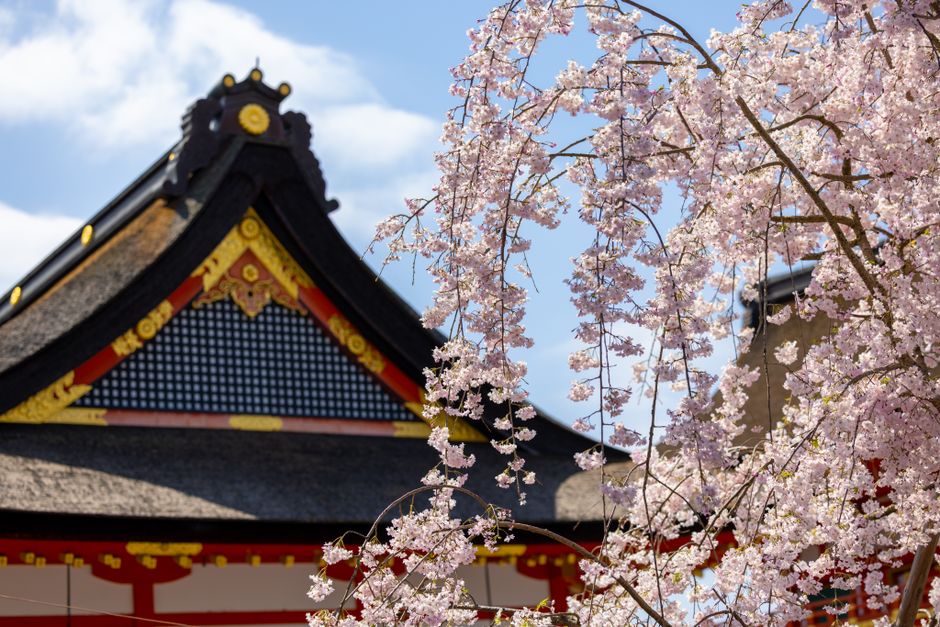
Spring in Japan, typically from mid-March to early May, is synonymous with the cherry blossom season. The blooming of sakura trees is a highly anticipated event, but the exact timing varies by location and year. Southern regions like Kyushu may see blossoms as early as late March, while northern areas such as Hokkaido experience blooms in late April or early May. This progression allows visitors to follow the blossom front, though forecasts are never precise and are influenced by weather patterns.
Beyond cherry blossoms, spring offers comfortable temperatures ranging from 10°C to 20°C in most areas. This makes it an ideal time for outdoor activities such as strolling through historic districts, visiting temples, and enjoying hanami (flower-viewing) picnics. However, popularity also brings higher prices and larger crowds, especially at famous viewing spots like Tokyo’s Ueno Park or Kyoto’s Philosopher’s Path. Booking accommodations and transportation well in advance is advisable during this period.
Spring also marks the start of the Golden Week holiday period (late April to early May), when domestic travel surges. Travelers planning to visit during this window should anticipate increased congestion and limited availability. Alternatively, the weeks just before or after the main blossom periods may offer a quieter experience with similar weather.
Summer: Festivals, Heat, and Mountain Escapes
Summer in Japan, from June to August, is characterized by high humidity, frequent rainfall, and vibrant festivals. The rainy season, known as tsuyu, typically affects most of the country from early June to mid-July, bringing overcast skies and occasional downpours. This period can be less appealing for outdoor sightseeing, though it also means fewer tourists and lower accommodation rates in many regions.
Once the rainy season ends, summer becomes a time of lively matsuri (festivals). Notable events include the Gion Matsuri in Kyoto (July), the Nebuta Matsuri in Aomori (August), and the dance festivals of Obon (mid-August). These celebrations offer immersive cultural experiences but also draw large crowds. Heat and humidity can be intense, especially in cities like Tokyo and Osaka, where temperatures often exceed 30°C with high humidity. Higher-altitude destinations, such as the Japanese Alps or the highlands of Nagano and Hokkaido, provide cooler alternatives for hiking and nature walks.
For travelers who prioritize cultural events over comfortable weather, summer can be a rewarding season. The combination of fireworks displays, traditional performances, and local food stalls creates a festive atmosphere. However, those sensitive to heat or humidity may prefer to focus on northern regions or indoor attractions like museums and shopping centers.
Autumn: Foliage and Crisp Air
Autumn, from mid-September to late November, is often considered the counterpart to spring in terms of natural beauty. The changing leaf colors, known as koyo, transform landscapes into shades of red, orange, and gold. The timing of peak foliage varies by latitude and elevation: higher-altitude areas in the north experience color changes as early as mid-September, while central and southern regions reach their peak in late October and November.
Autumn’s mild temperatures, typically between 10°C and 20°C, make it comfortable for sightseeing. The season also coincides with harvest periods, offering seasonal foods such as sweet potatoes, chestnuts, and persimmons. Popular viewing spots include the gardens of Kyoto, Nikko’s temples and waterfalls, and the Fuji Five Lakes region. Similar to spring, autumn attracts many visitors, so advance planning is recommended for accommodations and train reservations.
For those interested in a quieter experience, late October or early November in less frequented areas—such as the Tohoku region or the mountains of Kiso Valley—can provide stunning scenery without the crowds. The season also features cultural events like the Jidai Matsuri in Kyoto (October) and various moon-viewing traditions. Travelers who prefer cooler weather and vibrant landscapes often find autumn to be a well-balanced choice.
Winter: Snow, Onsens, and Tranquility
Winter in Japan, from December to February, offers a different kind of appeal. The northern island of Hokkaido and the mountainous regions of central Japan receive heavy snowfall, creating ideal conditions for winter sports and scenic snowscapes. Cities like Sapporo host the annual Snow Festival in February, featuring enormous ice sculptures and attracting international visitors.
In contrast, southern areas such as Kyushu and Okinawa experience milder winters with occasional rain and temperatures rarely dropping below freezing. This variety allows travelers to choose between snowy adventures and temperate coastal retreats. Winter is also a prime season for visiting hot springs (onsen), which provide warmth and relaxation amid cold weather. Many ryokan (traditional inns) offer outdoor baths with views of snow-covered landscapes.
Crowds are generally smaller during winter outside of the New Year holiday period (late December to early January), when domestic travel peaks. Winter illumination events in Tokyo and other cities add a festive note, though daylight hours are shorter. Travelers who enjoy winter activities or prefer solitude may find this season to be a peaceful alternative to the bustling spring and autumn months.
Planning Considerations Across Seasons
When deciding on a travel period, it helps to compare factors beyond weather and scenery. Budget, crowd levels, and personal tolerance for extremes all influence the overall experience. For example, shoulder seasons—such as late March (before peak cherry blossoms) or early November (after autumn foliage peaks in some areas)—may offer moderate weather with fewer tourists. Similarly, January and February provide lower prices and quieter attractions in many regions, but require winter clothing and flexible itineraries.
Regional differences also matter. While Tokyo and Kyoto remain popular year-round, lesser-known destinations like the Seto Inland Sea islands, the Kumano Kodo pilgrimage route, or the rural landscapes of Shikoku can be visited in multiple seasons with varying conditions. Wander Compass suggests researching specific regions and their microclimates to tailor the timing to personal interests. Checking annual event calendars and booking key accommodations early, especially during peak seasons, can help avoid last-minute stress.
Ultimately, there is no universal best time to visit Japan. Each season presents its own strengths and limitations. By understanding the characteristics of spring, summer, autumn, and winter, travelers can align their preferences with the rhythms of the country. Whether drawn by cherry blossoms, summer festivals, autumn foliage, or winter tranquility, the journey can be shaped to reflect individual tastes and priorities.