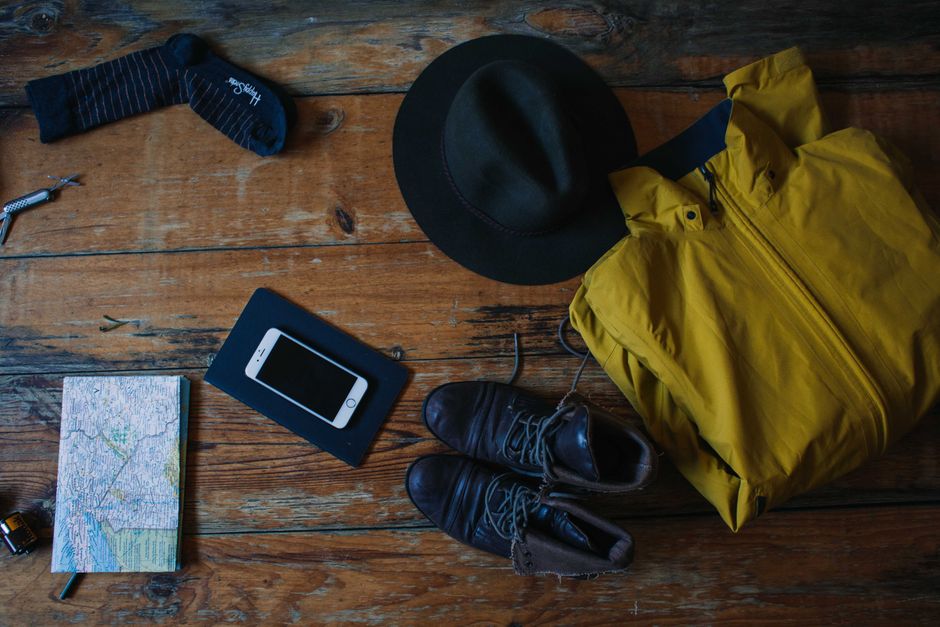
Packing Essentials for a Long Backpacking Trip in Europe
Planning a long backpacking trip across Europe involves more than just booking trains and hostels. The way a traveler packs directly influences daily comfort, mobility, and overall adaptability. With limited space and the need to move between cities, climates, and accommodations, each item in a backpack must serve a clear purpose. This article outlines considerations for assembling a practical and efficient kit, focusing on gear that balances weight, versatility, and durability.
The process of selecting travel gear often begins with understanding the specific demands of a multi-week itinerary. European travel typically involves a mix of urban exploration, occasional nature walks, and variations in weather. The approach here is not to prescribe a definitive list, but to explain the reasoning behind common choices. Whether a traveler is heading to the Mediterranean coast in summer or the Alps in shoulder season, certain categories of items tend to appear in well-prepared packs.
Organizing a packing list around functional categories, rather than brand names or trends, helps a traveler make informed decisions. The following sections explore key categories that many long-term backpackers in Europe find relevant, with attention to material properties, sizing, and practical trade-offs.
Selecting a Backpack That Suits the Journey
The backpack itself is the foundation of any packing system. For a trip lasting several weeks, internal frame backpacks with capacities between 40 and 60 liters are common. A 40-liter pack encourages disciplined packing and is easier to carry on public transport, while a 60-liter pack offers room for bulkier items like a sleeping bag or extra layers. The choice depends on the traveler’s itinerary and personal packing style.
Fit is a crucial factor that is often overlooked. A backpack that does not match the torso length or hip belt position can cause discomfort regardless of how well the contents are arranged. Many outdoor retailers offer fitting assistance, and trying a loaded pack before departure is advisable. Features like a removable daypack, compression straps, and multiple access points (top loader versus panel loader) influence daily convenience. A panel-loading backpack, for example, allows easier access to items without unpacking everything, which can be helpful when staying in shared dorms.
Weight distribution also plays a role. Heavier items such as a water reservoir or camera gear should be placed close to the center of the back and at mid-height. Packing cubes or stuff sacks help organize smaller items and prevent shifting during movement. The goal is to create a balanced load that does not strain the shoulders or lower back over long walking days.
Quick-Dry Clothing and Layering Systems
Clothing choices for a long backpacking trip in Europe often center on the principle of layering and quick-drying fabrics. Synthetic materials such as polyester, nylon, or merino wool blends dry faster than cotton and resist odor buildup after repeated wear. This property allows a traveler to wash items in a sink and have them ready the next morning, reducing the total number of garments needed.
A typical three-layer system includes a moisture-wicking base layer, an insulating mid-layer (such as a fleece or lightweight down jacket), and a waterproof or windproof outer shell. The exact combination depends on the season and region. For summer travel in Southern Europe, a single base layer and a breathable shell may suffice, while autumn in Northern Europe requires additional insulation. Versatile pieces, such as a packable down jacket that compresses into its own pocket, can cover a wide temperature range.
Pants and shorts made from stretchy, fast-drying fabric are popular among backpackers. Convertible zip-off pants offer flexibility but some travelers prefer separate shorts and long pants for a better fit. At least one pair of comfortable walking shoes or trail runners is standard, along with a pair of sandals or flip-flops for hostel showers and rest days. Sneakers or lightweight hiking shoes work well for urban environments, while waterproof boots are rarely necessary unless extensive off-trail hiking is planned.
Power Bank and Electronic Accessories
Staying connected during a long trip in Europe often relies on a reliable power source. Many hostels and cafes offer charging points, but availability can be inconsistent, especially on trains or during long days out. A power bank with a capacity of 10,000 to 20,000 mAh can recharge a smartphone two to four times, which is typically enough for a day’s use. Larger power banks add weight, so the traveler must balance capacity with pack burden.
International travel requires attention to plug types. Continental Europe uses Type C and Type F plugs, while the United Kingdom uses Type G. A universal travel adapter that also supports USB ports reduces the number of devices needed. Cables should be kept short to avoid tangling, and a small pouch helps keep them organized. For those carrying a laptop, a slim charger that supports multiple voltages (100–240V) is standard.
Additional electronic accessories may include a headlamp or small flashlight for reading in dorms or navigating after dark, and noise-canceling earbuds for crowded spaces. Some travelers bring a lightweight tablet for reading maps or downloading entertainment. The key is to keep the total weight of electronics manageable and to have a plan for charging them daily.
Toiletries, Health Items, and Laundry Considerations
Toiletries for a long backpacking trip are best kept minimal and travel-sized. Most European cities have pharmacies and supermarkets where items like shampoo, sunscreen, and deodorant can be purchased locally. Carrying a small reusable bottle for liquid soap or shampoo is practical, along with a solid soap bar for body and laundry. A microfiber towel, typically 60 x 120 cm, dries quickly and takes up little space.
A basic first aid kit should include blister plasters, antiseptic wipes, pain relievers, and any personal medications. Many travelers also carry a small tube of sunscreen and insect repellent, depending on the destination. For laundry, a portable clothesline or a few safety pins can be useful for drying items in hostel rooms. Some travelers prefer using laundry services, while others use a dry bag as a portable washing basin.
Health considerations also involve staying hydrated. A reusable water bottle with a built-in filter can be useful in regions where tap water is not always drinkable, though in most Western European countries tap water is safe. A lightweight water bottle or collapsible container is sufficient; heavy metal bottles add unnecessary weight.
Documentation, Security, and Everyday Carry Items
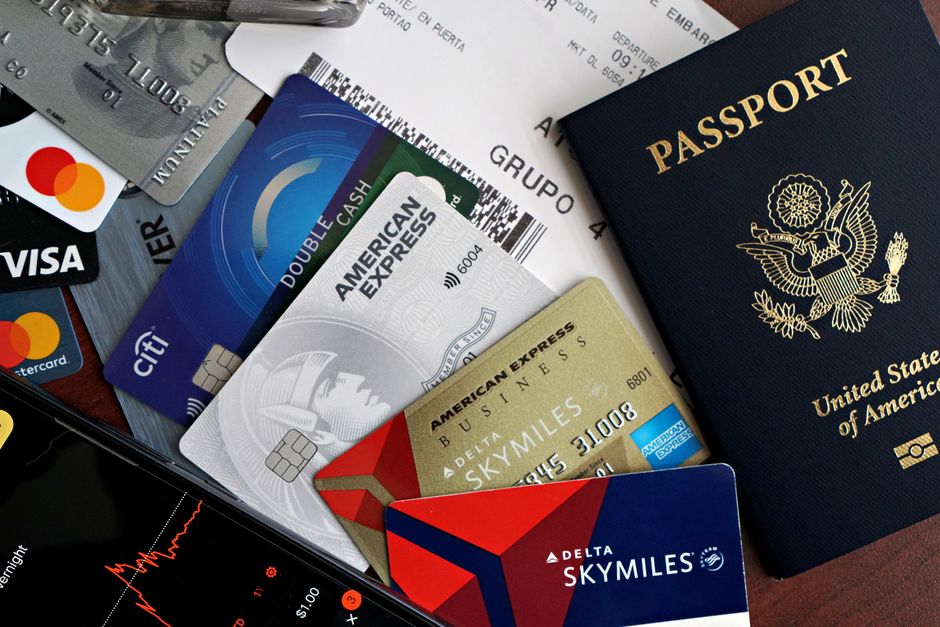
Carrying essential documents safely is a priority for any international trip. A passport, printed copies of travel insurance, and any required visas should be kept in a waterproof pouch or hidden pocket. Many travelers use a money belt or a small neck pouch that can be worn under clothing, especially in crowded areas. Photocopies or digital scans stored in a secure cloud service provide a backup in case of loss.
A combination lock is useful for hostel lockers, and some travelers prefer using a small cable lock to secure their backpack to a fixed object when sleeping on overnight trains. A daypack or foldable tote bag allows for exploring without carrying the main backpack. For navigation, a paper map or a downloaded offline map app on a smartphone can be reliable even without data coverage.
Other everyday items that often prove useful include a reusable cutlery set or a spork, a small notepad and pen, and a travel umbrella or a compact rain poncho. While none of these are strictly essential, they can make daily routines more comfortable. The overall approach is to start with a base set of essentials and then add items only after considering their frequency of use and the ease of replacing them abroad.