Discover Italy’s Hidden Gems Beyond Rome and Florence
Italy’s most famous cities—Rome, Florence, Venice—draw millions of visitors each year with their iconic art, architecture, and history. Yet the country holds many lesser-known destinations that offer equally rich experiences without the crowds. For travelers interested in moving beyond the standard itinerary, several regions provide a deeper look into Italian culture, landscape, and daily life. This article explores three such areas: Matera’s ancient cave dwellings, the colorful villages of the Cinque Terre coast, and the quieter towns surrounding Lake Como.
Each of these places invites a different pace of travel. Matera presents a living archaeological site where human habitation spans thousands of years. The Cinque Terre villages cling to rugged cliffs, connected by centuries-old footpaths and terraced vineyards. The towns around Lake Como offer serene waterfronts, historic villas, and a slower rhythm shaped by the lake’s microclimate. Understanding the context behind these places helps travelers appreciate what makes them unique and why they remain relatively undiscovered compared to Italy’s main tourist hubs.
Approaching these destinations with curiosity and an open schedule allows for a more immersive experience. Rather than rushing through a checklist of sights, visitors can take time to observe local customs, taste regional specialties, and adapt to the natural flow of everyday life. The following sections provide an overview of what each area offers and how to explore them thoughtfully.
Matera: Living History in Stone
Matera, located in the Basilicata region of southern Italy, is known for its Sassi districts—a complex of cave dwellings carved into the limestone canyon. These ancient homes, churches, and storage rooms date back to prehistoric times and were continuously inhabited until the mid-20th century. After a period of decline and forced relocation, the Sassi were rediscovered in recent decades and recognized as a UNESCO World Heritage site. The restoration efforts have transformed the area into a museum of human ingenuity and resilience.
The cave dwellings are not just historical relics; many have been converted into hotels, restaurants, and art galleries. Walking through the narrow alleys and stairways, visitors can see how natural rock formations were adapted for living, with interiors carved directly into the stone. Some caves feature frescoes from Byzantine-era churches, while others reveal medieval cisterns and grain silos. The Casa Grotta di Vico Solitario is a preserved example of a typical cave home, complete with original furnishings and tools, offering a tangible sense of daily life in earlier centuries.
Beyond the Sassi, Matera’s modern city center offers a contrast with its Baroque churches, piazzas, and Palombaro Lungo—a massive underground water cistern that supplied the city for centuries. The nearby Murgia plateau provides hiking trails with panoramic views of the canyon and its cave formations. For those interested in archaeology, the area around Matera contains numerous Neolithic sites and rock-cut churches scattered across the countryside. Visiting in spring or autumn helps avoid the intense summer heat and provides softer light for photography.
The Colorful Villages of Cinque Terre
The Cinque Terre, a string of five fishing villages along the Ligurian coast, is famous for its pastel-colored houses stacked on cliffs above the Mediterranean. While the entire coastline is protected as a national park, some villages are more visited than others. Monterosso al Mare, the largest village, has a long beach and train station that makes it a common entry point. Vernazza and Manarola are the most photographed, with their harbor views and sunset colors. However, Corniglia, perched on a hilltop away from the sea, and Riomaggiore, with its steep stairways and small marina, often see fewer crowds despite their equal charm.
The best way to experience the Cinque Terre is on foot. A network of hiking trails connects the villages, with the most famous stretch being the Sentiero Azzurro (Blue Trail) that runs between Riomaggiore and Monterosso. The section from Corniglia to Vernazza is particularly scenic, passing through terraced vineyards, olive groves, and offering sweeping views of the coastline. Some parts of the trail are narrow and require moderate fitness, but the sense of accomplishment and the changing perspectives on the villages make the effort worthwhile.
In addition to hiking, visitors can take the local train that stops at each village, or use the ferry service that runs between the ports from spring to autumn. The ferry provides a completely different viewpoint, revealing the vertical layout of the villages and the terraced agriculture that defines the landscape. Local specialties include pesto, focaccia, and the white wine from the Cinque Terre DOC, which pairs well with seafood. To minimize congestion, planning visits on weekdays outside of peak summer months allows for a more relaxed experience of the villages and their surroundings.
Lake Como’s Quiet Towns
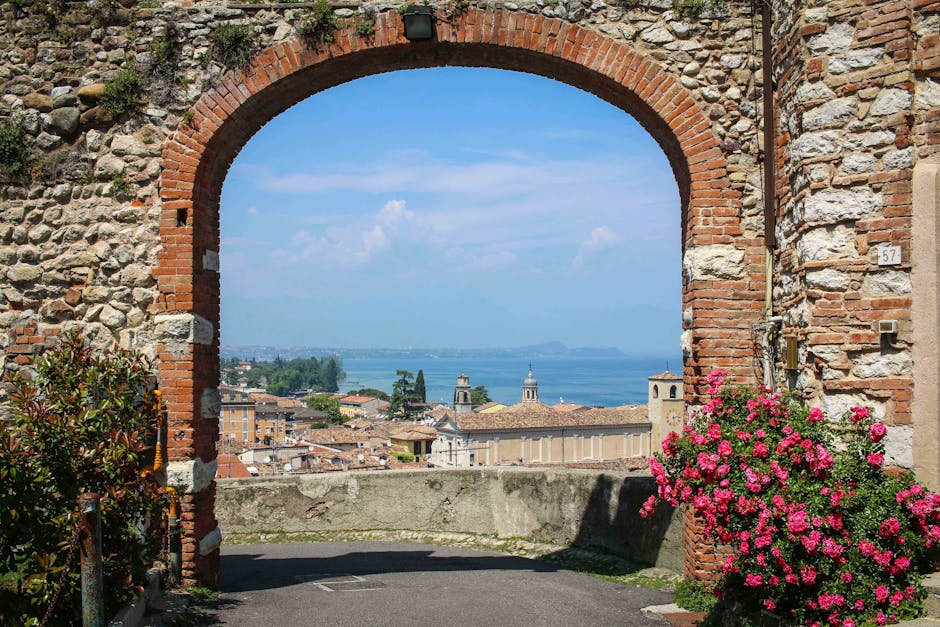
Lake Como, just north of Milan, is renowned for its dramatic alpine scenery and elegant villas. While towns like Bellagio and Menaggio are well-known, other lakeside communities offer a more tranquil atmosphere. Varenna, for example, is a small village on the eastern shore with narrow cobblestone streets, a medieval castle, and the beautiful Villa Monastero with its botanical garden stretching along the lake. The ferry from Varenna to Bellagio takes only minutes, but staying in Varenna itself allows visitors to enjoy the lakefront without the crowds of its more famous neighbor.
Further south, the town of Como at the lake’s southern tip has a historic center with a Gothic cathedral and a funicular that ascends to the hilltop village of Brunate, offering panoramic views of the lake and surrounding mountains. The area around Tremezzo, on the western shore, is home to Villa Carlotta, a 17th-century villa famous for its terraced gardens and art collection. The gardens bloom with rhododendrons, azaleas, and camellias in spring, making it a popular stop for nature lovers. The nearby town of Lenno has a small beach and a peaceful harbor, ideal for swimming in the warmer months.
Exploring Lake Como’s lesser-known towns can be done by ferry, which connects most lakeside communities. A typical day might include a morning walk in Varenna, a ferry ride to Bellagio for lunch, and an afternoon visit to the gardens of Villa Carlotta before returning to a quieter base. The lake’s microclimate supports lush vegetation, including olive trees, cypresses, and palms, which create a Mediterranean feel despite the alpine backdrop. Visiting in late spring or early autumn offers pleasant temperatures and fewer tourists, allowing for a more authentic experience of daily lake life.
Planning Your Off-the-Beaten-Path Italian Journey
Each of these destinations requires some thoughtful planning to make the most of the visit. Matera is best reached by train from Bari or a domestic flight to Bari Airport, followed by a bus or rental car. The Sassi area is largely pedestrianized, so comfortable walking shoes are essential. Accommodation inside the caves offers a unique stay, but booking well in advance is recommended due to limited availability. In Cinque Terre, the national park requires a hiking pass for those using the trails; passes can be purchased at train stations or online. The villages are compact, and overnight visits are more rewarding than day trips, as evenings bring quieter streets and softer light.
Around Lake Como, public ferries are the main mode of transport between towns, with schedules that vary by season. A car is not necessary for most travelers, as parking near the lakeside towns can be challenging and expensive. Train connections from Milan to Varenna or Como are frequent and efficient. For those interested in a more structured itinerary, resources like Wander Compass provide curated routes and practical tips for exploring these hidden corners of Italy. The key is to allow flexibility in the schedule, so unexpected discoveries—a local festival, a family-run trattoria, or a hidden viewpoint—can become the most memorable parts of the journey.
Ultimately, Italy’s hidden gems offer a different lens through which to appreciate the country’s depth. They remind travelers that beyond the celebrated landmarks, everyday life carries its own beauty and significance. Taking the time to explore these places with patience and curiosity often leads to a richer understanding of Italy’s regional heritage and the people who continue to shape it.